
When we think of Japanese anime culture, captivating characters, vivid stories, and a dash of surreal humor spring to mind. It’s like stepping into a vibrant world where anything is possible, talking cats, heroic teenagers, and even instant noodles that come to life. But this world goes beyond mere entertainment: it’s a doorway to understanding deep cultural narratives and forging connections. So, buckle up as we embark on this exciting ride through the evolution, influences, and global impact of anime.
The Evolution of Anime
Anime has come a long way from the early days. The journey began in the early 20th century with short films that laid the groundwork for what we now recognize. The 60s saw the rise of iconic shows like Astro Boy, which not only entertained but also introduced a new form of storytelling. As artists and storytellers continued to evolve, so did the techniques and themes explored in anime. Every decade brought something fresh, think of the beautiful hand-drawn frames of the 80s, leading to the digital wonders of today. We witness genres sprouting like wildflowers: each one distinct, yet undeniably connected to our collective experiences.
As we fast forward to modern times, we see anime embracing technology, which enhances creativity. Series like Attack on Titan and Demon Slayer showcase breathtaking animation techniques that were once just a dream. Who would’ve thought animation could push the boundaries of imagination so much? Each iteration reminds us that anime is an ever-changing landscape, where tradition meets innovation.
Influences on Anime Styles and Genres
Diving deeper, we can’t help but notice the myriad influences that shape various anime styles and genres. The blend of traditional Japanese art with Western themes gives anime its unique flair. For instance, shonen series often borrow from classic hero narratives, while shojo focuses on romantic entanglements, sometimes with a sprinkle of magical realism. All these flavors come together, resulting in a buffet of styles ranging from slice-of-life to dark fantasy.
But wait, there’s more. The impact of culture also introduces elements like folklore and mythology into the mix. Take Studio Ghibli, for example. Their films elegantly weave in Shinto beliefs and nature’s spirit, creating a rich tapestry that resonates with audiences worldwide. It’s fascinating how diverse influences can converge and create something so mesmerizing. We eagerly anticipate what new genres might sprout as creators continue to explore different cultural nuances.
Cultural Significance of Anime in Japan
Anime isn’t just entertainment in Japan: it’s a cultural phenomenon. Grounded in rich traditions, anime often reflects life lessons and societal values. From depicting strong family ties to delving into personal struggles, it provides a lens through which we can examine the world. Watching anime often feels like sharing a collective experience, bridging gaps among generations.
Also, anime characters, especially those from beloved series, become symbols of cultural pride. We often see these characters pop up in merchandise, fashion, and even local tourism, showcasing how deeply ingrained they are in the Japanese identity. Can you believe how a simple animated character can embody the spirit of a nation? It’s magical. And as global audiences embrace these narratives, the significance of anime only continues to grow.
Global Impact of Japanese Anime
In recent years, the global impact of Japanese anime has reached unprecedented heights. With streaming platforms making it accessible to audiences outside Japan, anime has exploded in popularity. From conventions in the US to anime adaptations and collaborations across the globe, we are witnessing a surge in cultural exchange.
This newfound influence has inspired creators worldwide. Countries are now producing their own animated series that draw from anime’s visual style and storytelling techniques. Just look at how Netflix is investing in anime projects. As fans, we relish these unique adaptations while still honoring the originals. Each anime we watch fosters a love for diverse cultures, proving that narrative threads can connect us regardless of geography.
The Role of Fandom and Communities
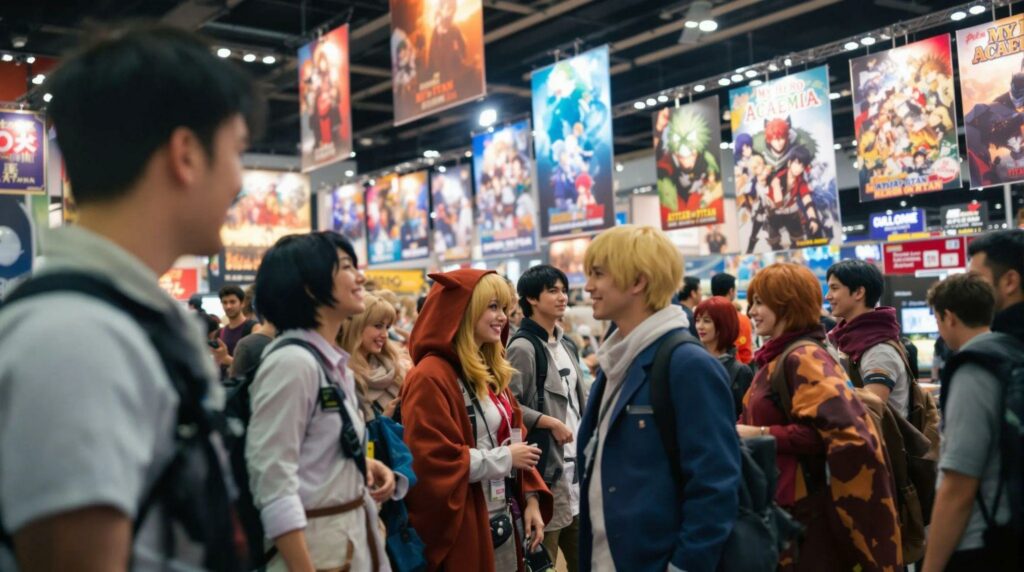
Fandom plays a crucial role in enriching our anime experience. We gather at conventions, cosplay as our favorite characters, and join online communities to discuss plot twists and character arcs. These activities don’t just reflect passion, they also build friendships that span continents.
Whether it’s through fan art, fan fiction, or spirited debates over the best anime of all time, we see creativity flourish in these spaces. Social media platforms amplify our voices, allowing us to share and connect like never before. It’s thrilling to contribute to a culture that’s both participatory and collaborative. We are not just audiences: we are part of an ongoing narrative.
Future Trends in Anime Culture
As we glance toward the horizon, the future of anime culture looks bright. Technology is taking center stage, with virtual reality and interactive storytelling redefining how we engage with content. Imagine stepping into the shoes of your favorite character, how cool would that be?
Also, the drive for diversity and inclusion in storytelling is gaining momentum. Creators are exploring varied perspectives, leading to richer narratives and more relatable characters. That opens the door for audiences to find parts of themselves in these stories, deepening the connection we feel. The fusion of cultures in upcoming anime promises to keep things fresh and exciting. We can’t wait to see what trails are blazed next.