
Have you ever stopped to think about how those colorful characters we can’t seem to get enough of might actually be shaping an entire culture? Yes, we’re talking about anime. From quirky cat cafes to the latest tech advancements, anime isn’t just a form of entertainment: it’s become an intricate part of Japanese culture. Buckle up, because we’re diving into the fascinating ways anime influences everything from daily life to national identity in Japan.
The Historical Context of Anime in Japan
Anime didn’t just spring into existence overnight. To understand its profound influence on Japanese culture, we need to go back in time. The origins of anime can be traced as far back as the early 20th century, with short films that showcased animation techniques. Fast forward a few decades, and we hit the post-World War II era, when anime began to flourish. It wasn’t merely about entertainment: it served as a means of escapism and hope during a challenging time.
As we look closer, iconic figures like Osamu Tezuka, often dubbed the ‘God of Manga,’ revolutionized the industry. His approach combined Western storytelling norms with traditional Japanese art styles, setting a precedent for generations of anime. This historical framework laid the foundation for what would become a cultural behemoth. We see now how anime evolved hand-in-hand with societal changes, reflecting and shaping Japanese values, trends, and the collective psyche.
Cultural Representation and Identity
When we consider what anime represents, it’s essential to recognize that it’s more than just colorful characters and fantastical storylines. Anime serves as a medium through which Japanese culture, traditions, and identity are portrayed both locally and globally.
For instance, anime often incorporates elements of Shinto and Buddhist beliefs, illustrating Japan’s rich spiritual history. Shows like Spirited Away and My Neighbor Totoro offer glimpses into Japanese folklore and nature worship, capturing our cultural essence beautifully.
Also, anime fosters a sense of community and belonging among fans, both in Japan and internationally. It helps cultivate an understanding of Japanese lifestyle and social norms, whether it’s the importance of respect, family ties, or even food culture (we’ve all drooled over those ramen scenes.). This representation fosters empathy and understanding, bridging gaps between cultures in a unique way.
Anime’s Role in Modern Japanese Society
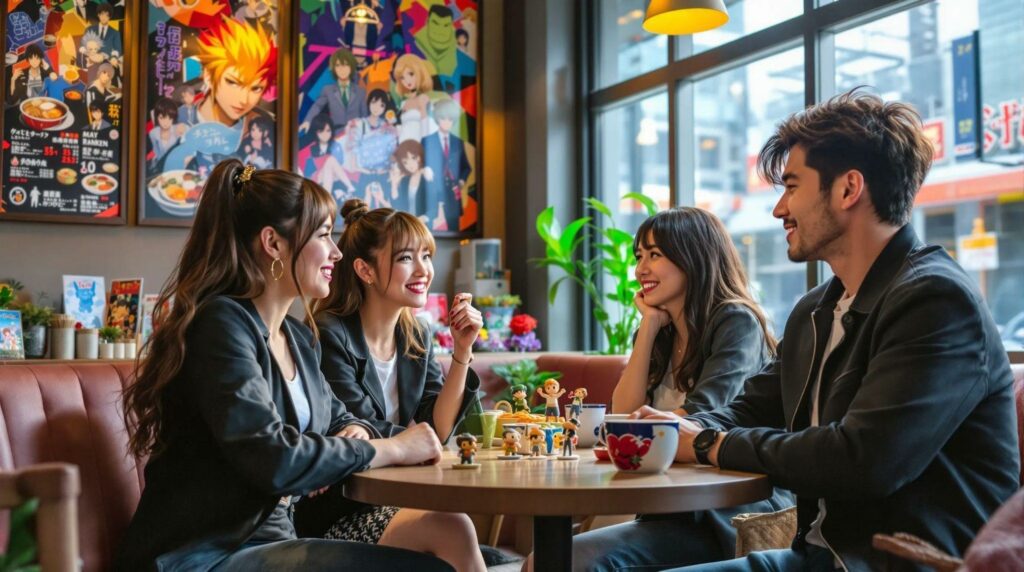
In the fast-paced world we live in today, it’s fascinating to see how anime integrates itself into our daily lives. From urban landscapes filled with themed cafes to merchandise popping up in every convenience store, anime infiltrates various aspects of modern life in Japan. Have you heard of maid cafes and cat cafes? What started off as individual experiences have now morphed into cultural phenomena largely thanks to the anime-inspired aesthetics and themes that they embrace.
Educational purposes are also worth noting. Many schools use anime to engage students, encouraging them to explore topics ranging from history to language arts. It’s a captivating way that links culture and creativity, making learning much more enjoyable. Also, anime conventions are buzzing hubs of creativity and community, attracting thousands of fans who celebrate their shared love for this dynamic art form.
Global Impact of Anime on Japanese Culture
Interestingly, anime extends its influence far beyond Japanese borders. The global boom in anime fandom underscores its importance in shaping perceptions about Japan worldwide. In recent years, streaming platforms have made it easier than ever for international audiences to access Japanese anime, creating a cultural exchange that reverberates back to Japan.
This globalization is a double-edged sword, but. While it bolsters Japan’s soft power, think cool factor, it also puts pressure on creators to cater to global tastes, potentially watering down authentic cultural elements. Nevertheless, we can marvel at how anime has fostered a new appreciation for Japanese language, art, and culinary practices worldwide, influencing fashion trends and even inspiring local adaptations in various countries. It’s incredible to witness how something so uniquely Japanese has the potential to create a global movement.